
Overview – Piliavin et al (1969)
Piliavin et al (1969) is a key study in the social area of psychology that investigated why people choose to help strangers in emergency situations. By examining helping behaviour on a real New York subway train, the researchers demonstrated that situational factors – such as the characteristics of the victim and what other people nearby do – influence whether people intervene to help a stranger. The study contributed to our understanding of prosocial behaviour, the bystander effect, and the importance of various factors that influence helping behaviour.
You can jump to different sections of this article via the links below:
- Aim
- Method (sampling and procedure)
- Results
- Conclusions
- Evaluation and methodological issues
- Relation to other core social studies
Piliavin et al (1969)
Aim
The aim of the study was to find out what factors influence whether people help a stranger in an emergency situation.
The inspiration for this study was the murder of Kitty Genovese in New York City in 1964. Reports at the time claimed that at least 38 people witnessed or heard the attack but did not help or intervene. This led psychologists to investigate the bystander effect – the tendency for individuals to be less likely to help a victim when other people are present, as responsibility for helping is shared among everyone present (known as diffusion of responsibility).
Piliavin and the other researchers argued that previous research on the bystander effect had mostly been conducted in artificial laboratory settings using hypothetical emergencies and so lacked ecological validity. They wanted to investigate whether the same patterns of helping behaviour would occur during a real-life emergency, where participants believed someone genuinely needed assistance.
Piliavin predicted that helping behaviour would be influenced by situational factors – particularly the characteristics of the victim. For example, participants were expected to be less likely to help a victim who was drunk than one who was ill with a cane, as the drunk victim might be seen as responsible for their own situation. The researchers also investigated whether the number of bystanders, the race of the victim, and the race of the helper influenced helping behaviour.
Method
Participants and sampling
The researchers used an opportunity sample of passengers – passengers who just happened to be on the subway at the time – travelling on the New York City subway system.
The characteristics of the participants were as follows:
- Around 4,450 passengers (estimated) who were present during the staged emergencies across 103 trials.
- (So an average of 43 passengers per carriage)
- Participants were not aware that they were taking part in a study.
- The sample included people of different ages, genders, and ethnic backgrounds. As a field experiment, the sample reflected the real-life make up of passengers who regularly used the subway.
The researchers selected this sample because they wanted to study helping behaviour in a real-life setting rather than an artificial laboratory environment.
Procedure
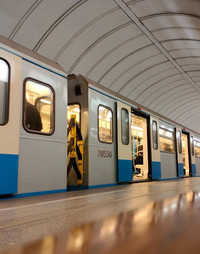 The method Piliavin et al used was a field experiment on the New York City subway system. Unlike a laboratory experiment, the study took place in a real-life setting. As such, participants were unaware that they were taking part in research, which enabled researchers to investigate helping behaviour in a more realistic environment.
The researchers staged an emergency situation where a male confederate (a person working with the researchers who pretends to be a participant or member of the public) pretended to collapse on a subway train. The researchers observed whether passengers offered help and how quickly they responded.
There were several independent variables (IV) the researchers manipulated to see how they affected the dependent variable (DV) of helping behaviour, which was measured by whether passengers helped the victim, how quickly they offered assistance, and the number of passengers who helped.
Below is a table summarising the different variables tested:
| Independent variable | Condition | Description |
|---|---|---|
| Type of victim | Ill victim condition | The confederate appeared to be ill and used a walking stick. This was designed to make him appear less responsible for his situation and more deserving of help. |
| Drunk victim condition | The confederate appeared to be drunk, smelling of alcohol and carrying a bottle in a paper bag. This was designed to make him appear more responsible for his situation and potentially less deserving of help. | |
| Race of victim | Black victim condition | In some trials, the confederate acting as the victim was black. |
| White victim condition | In other trials, the confederate acting as the victim was white. | |
| Presence of somebody setting an example of helping behaviour | Model present condition(s) | A second confederate acted as a passenger and provided an example of helping behaviour by assisting the victim after they collapsed. The model was always a white male and helped either early (approximately 70 seconds after the collapse) or late (approximately 150 seconds after the collapse). The model either stood in the same area as the victim (critical area) or nearby (adjacent area). |
| No model present condition | No one demonstrated helping behaviour, allowing researchers to see whether passengers would intervene without an example from another person. |
Each emergency involved two male confederates:
- The victim, who pretended to collapse.
- The observer, who recorded the passengers’ reactions and whether they helped the victim.
The procedure used the following sequence:
- The train departed from the station and travelled for approximately 70 seconds.
- The victim remained standing near a pole in the centre of the carriage.
- After a set amount of time, the victim collapsed.
- The victim remained on the floor until someone helped, until the train reached the next station, or until the situation became unsafe.
- The observer recorded passenger responses.
The victim confederate followed a standardised pre-planned script to ensure consistency across trials. For example, in the drunk condition, the victim would smell of alcohol, carry a bottle wrapped in a paper bag, and appear less stable before collapsing. In the ill victim condition, the confederate carried a walking stick and appeared to be physically unwell. He would stand in the critical area of the carriage, hold the pole for support, and collapse after the train had travelled for a short period. This was designed to make the victim appear unable to help himself and therefore more deserving of assistance.
The observer sat nearby and recorded details such as whether anyone helped the victim, how quickly help was offered, the number of people who helped and the characteristics of the helper (e.g. gender, race, and location in the carriage). The observer also recorded comments made by passengers during the incident.
The researchers repeated the procedure across 103 subway journeys to collect a large amount of data and compare helping behaviour across conditions.
Results
The researchers found that helping behaviour was common, with most passengers offering assistance to the victim.
The results were recorded by observing whether passengers helped, how quickly they helped, and how many people provided assistance.
The main findings was that help was given more frequently and more quickly in the ill victim condition than the drunk victim condition, as predicted:
- Ill victim:
- Help was given in 95% of the ill victim conditions.
- The median time taken for passengers to help was 5 seconds.
- Drunk victim:
- Help was given in 50% of the drunk victim conditions.
- The median time taken for passengers to help was 109 seconds.
A more detailed breakdown of how the different independent variables affected helping behaviour can be seen in the table below:
| Independent variable | Finding | Results |
|---|---|---|
| Type of victim | Ill victim (cane) | The victim received spontaneous help in 62 out of 65 trials (95%). The median time taken for passengers to help was just 5 seconds. |
| Drunk victim | The victim received spontaneous help in 19 out of 38 trials (50%). The median time taken for passengers to help was 109 seconds. | |
| Race of victim | Ill victim (cane) | There was no significant effect of race. White and black victims were helped in approximately the proportions expected from the ethnic composition of the passengers. |
| Drunk victim | When the victim appeared drunk, helpers were more likely to be of the same race as the victim. | |
| Presence of somebody setting an example of helping behaviour | Model location | Whether the model approached from the critical area or the adjacent area made little difference to helping behaviour. |
| Model timing | When the model intervened early (70 seconds), more passengers helped than when the model intervened late (150 seconds). |
An additional finding was that the number of male passengers in the critical area appeared to influence helping behaviour. The victim was helped more quickly when there were seven or more male passengers nearby than when there were only one to three. Although this was not an independent variable deliberately manipulated by the researchers, it suggested that the composition of the bystander group may also affect how quickly people intervene in an emergency.
The study also found that men were more likely to help than women, with 90% of first helpers being male. However, this may reflect the specific context of the emergency, as some female passengers commented that they felt unable to help because they were not physically strong enough.
Conclusions
The results suggest that helping behaviour is influenced by characteristics of the victim and the social situation surrounding an emergency.
Passengers were much more likely to help a person who appeared to be ill than someone who appeared to be drunk. The ill victim received help in almost all trials and was helped much more quickly, whereas the drunk victim was less likely to receive assistance and had to wait longer before someone intervened. This suggests that people consider factors such as how responsible the victim appears to be for their situation when deciding whether to help.
Overall, Piliavin et al concluded that helping behaviour is shaped by a combination of individual judgement and social factors. People consider the characteristics of the victim, the behaviour of others around them, and the developing situation when deciding whether to provide assistance.
Factors influencing helping behaviour
Piliavin et al concluded that helping behaviour is affected by several situational factors, including:
- Characteristics of the victim: People are more likely to help victims who appear deserving of assistance (e.g. the ill victim) compared with those who appear responsible for their situation (e.g. the drunk victim).
- Presence of other witnesses: Contrary to previous research on the bystander effect, the researchers found that help was often provided more quickly when more people were present. In particular, victims were helped faster when there were seven or more male passengers nearby compared with fewer passengers.
- Race of the victim: There was some evidence that people are more likely to help someone of the same race as them – particularly when the victim appeared drunk rather than ill. This suggests that racial factors may influence helping behaviour in some situations.
The role of social influence
Piliavin et al also investigated whether seeing another person help would influence passengers’ behaviour. They found that a helping model who set an example of helping behaviour could encourage others to help.
However, this effect depended on how quickly the model intervened. When the emergency continued without assistance for longer, the influence of the model became weaker.
Evaluation
Research methods and techniques
Field experiment conducted on the New York City subway system. Piliavin et al manipulated several independent variables including the type of victim (ill vs. drunk), the race of the victim (white vs. black), and the presence of a helping model. The dependent variable was helping behaviour, which was measured through whether passengers helped, how quickly they helped, and the number of helpers.
- Strengths:
- High ecological validity: The study took place in a real-life environment where passengers believed they were witnessing a genuine emergency. This means their behaviour was likely to reflect how people would naturally respond outside of a research setting.
- High standardisation: Although it was conducted in a natural environment, the procedure was carefully controlled. The confederates followed a script, collapsed in the same way, and the observer recorded the same types of behaviour across trials.
- Weaknesses:
- Reduced control over extraneous variables: Because the study took place in a real subway environment, researchers could not control all factors that might influence helping behaviour, such as passengers’ mood, how crowded the train was, or whether passengers were in a hurry.
- Difficult to replicate exactly: Real-life environments are unpredictable, meaning another researcher may struggle to reproduce identical conditions.
Types of data
Quantitative and qualitative data were collected.
- Quantitative Data: Helping behaviour was measured numerically, including whether help was given, the time taken to help, and the number of people who assisted.
- Strengths:
- Provides objective and precise measurements that allow comparisons between conditions.
- Enables statistical analysis, such as comparing helping rates between the ill and drunk victim conditions.
- The large amount of numerical data collected increases confidence in the reliability of the findings.
- Strengths:
- Qualitative Data: Researchers recorded comments made by passengers during the emergency and observations about passenger behaviour.
- Strengths:
- Provides richer detail about how passengers experienced and interpreted the situation.
- Helps explain why some people hesitated or chose not to help.
- Weaknesses:
- Qualitative observations may involve researcher interpretation, reducing objectivity.
- Strengths:
Representativeness and generalisability
Sample Details: The study used an opportunity sample of approximately 4,450 passengers travelling on the New York City subway system. Participants were not aware they were taking part in research.
- Strengths:
- Large sample size: The study included thousands of passengers. This makes it more likely that the findings are accurate and not due to unusual or rare behaviour from a small number of individuals.
- Natural sample: Participants were ordinary members of the public, which is likely to make the sample representative of everyday social behaviour.
- Weaknesses:
- Sampling bias: Because the participants were all subway passengers in New York City, the sample may not represent helping behaviour in other locations or cultures. This limits the generalisability of the findings.
Ethical issues
Because participants were unaware they were being studied, the study raises several ethical concerns:
- Deception: Passengers were deceived because they believed they were witnessing a genuine medical emergency rather than a staged experiment.
- Right to withdraw: Participants were unable to give informed consent or choose whether to take part in the study because they did not know they were being studied.
- Protection from psychological harm: Some passengers may have experienced stress or guilt, particularly if they failed to help or were unsure how to respond.
- Privacy and confidentiality: Researchers recorded general patterns of behaviour rather than identifying individual passengers.
Validity
- Internal Validity: Are the findings caused by the independent variables rather than other factors?
- Standardised procedure: The researchers carefully controlled important aspects of the emergency, such as the victim’s behaviour, timing of collapse, and the script used by confederates. This makes it more likely that differences in helping behaviour were caused by the independent variables being studied (e.g. victim type – ill or drunk).
- Extraneous variables: Because the study occurred in a real subway environment, other factors may have influenced helping behaviour. For example, passengers’ personal experiences, mood, or familiarity with subway emergencies may have affected whether they helped.
- However, the large sample size (~4,450) reduces the likelihood of these extraneous variables skewing results.
- Ecological Validity: Do findings translate to the real world?
- Field experiment: Extremely high ecological validity because participants believed they were witnessing a genuine emergency. Unlike laboratory studies using hypothetical situations and where participants know they are being studied, passengers had to make a real decision about whether to help.
Reliability
- Internal Reliability: Is the procedure consistent across all trials in the study?
- Standardised procedure: The procedure was highly standardised. Confederates followed a set script, collapsed in the same way, and observers used clear recording procedures.
- Extraneous variables: The natural setting meant some variables could not be fully controlled, reducing consistency between trials.
- External reliability: Can the study be replicated at a different time and across different groups to produce consistent results?
- Standardised procedure: The clear procedure and use of trained confederates means the study could be replicated. Similar research into helping behaviour has produced evidence supporting the importance of situational factors.
- Temporal reliability: Changes in society may affect how people respond to strangers in emergencies today compared with 1969. Modern passengers may be more suspicious of staged events due to greater awareness of social experiments and online videos.
Ethnocentrism
The study was conducted in New York City, an individualistic Western society.
- Weaknesses:
- Ethnocentric: The findings may be culturally biased because attitudes towards helping strangers vary between societies. In more collectivist cultures, for example, community responsibility may be stronger and so helping behaviour may be different.
- Cross-cultural replication: Studies such as Levine et al (2001) suggest that helping behaviour varies between cultures, meaning Piliavin’s findings may not apply universally.
Evaluation summary table
| Piliavin et al (1969) | |
|---|---|
| Research methods and techniques | Strengths: Field experiment in a real-life subway setting gave high ecological validity. The procedure was also highly standardised through the use of trained confederates and scripted behaviour. Weaknesses: The natural setting reduced control over extraneous variables, making it harder to know whether the IVs were the only cause of differences in helping behaviour. |
| Data types | Both. Quantitative data (e.g. whether, how quickly, and how often passengers helped) provided objective measurements that could be statistically analysed. Qualitative comments from passengers provided richer detail about their thoughts and motivations. |
| Representativeness and generalisability | Opportunity sampling of New York subway passengers creates geographical bias. As such, the sample may not represent people from different countries, communities, or who use different transport systems. However, the large sample of approximately 4,450 ordinary members of the public increases confidence that the findings reflect everyday helping behaviour. |
| Ethical issues | Participants were deceived because they believed they witnessed a genuine emergency. They could not give informed consent or withdraw because they were unaware they were taking part in research. |
| Validity | High ecological validity because participants believed they were witnessing a real emergency, making their behaviour more natural. |
| Reliability | The standardised procedure, scripted confederates, and clear recording methods increase reliability and make replication possible. |
| Ethnocentrism | The study was conducted in an individualistic Western culture (New York, USA) so findings may not apply to cultures with different social norms surrounding helping and responsibility. |
Relation to social psychology more broadly
Piliavin et al (1969) contributes to the social area of psychology by demonstrating how social situations and the presence of other people can influence helping behaviour. The study highlights how factors such as the characteristics of the person needing help, the behaviour of bystanders, and the wider social context can affect whether individuals choose to intervene in an emergency.
The table below summarises how this study compares with other core studies in this area and evaluates its contribution and current relevance:
| Piliavin et al (1969) | |
|---|---|
| How the study relates to the social area of psychology | Piliavin et al investigates how social factors influence human behaviour – specifically how characteristics of a situation (such as the type of victim, the presence of other people, and social cues) affect whether individuals choose to help others during an emergency. The study highlights the importance of situational factors in explaining prosocial behaviour, suggesting that helping is not simply determined by personality or individual characteristics. |
| Comparison with Milgram (1963) |
Similarities:
Both studies investigate how social situations influence behaviour. Milgram examined how the presence of an authority figure influenced obedience, whereas Piliavin examined how situational factors such as victim characteristics and bystanders influenced helping behaviour. Both suggest that behaviour is strongly affected by external social factors rather than simply individual personality. Differences:
Milgram investigated obedience and harmful behaviour, where participants continued actions they believed caused harm to another person. In contrast, Piliavin investigated prosocial behaviour, where people choose to provide help during an emergency. Milgram focused on the influence of authority, whereas Piliavin focused more on social responsibility and bystander behaviour. |
| Comparison with Levine et al (2001) |
Similarities:
Both studies investigate helping behaviour and demonstrate that social behaviour is influenced by factors beyond the individual. Piliavin focused on immediate situational factors – such as the type of victim and presence of bystanders – whereas Levine examined how cultural norms influence helping behaviour. Differences:
Piliavin investigated helping behaviour within one cultural setting (New York City subway passengers), whereas Levine examined cultural differences in helping behaviour across multiple countries. This supported the influence of cultural factors on helping behaviour. |
| Contribution to understanding diversity |
Individual differences:
Piliavin suggests that helping behaviour is not simply determined by individual personality, as members of the public responded differently depending on situational factors. However, the study did not investigate individual personality differences in depth so it cannot fully explain why some individuals help while others don’t. Social and group differences:
The study shows how social factors (e.g. the presence of other witnesses and whether another person models helping behaviour) can affect helping behaviour. It also suggests people may be more likely to help people of the same race as them. However, the sample was limited to passengers using one subway system in New York, reducing how far the findings can be generalised. Cross-cultural differences:
Because the study was conducted only in the USA (New York specifically), it doesn’t say whether helping behaviour differs across cultures. |
| Usefulness | Piliavin’s research has been useful for understanding the factors that influence helping behaviour in real-life emergencies. Applications include:
|
| Current relevance | Piliavin et al (1969) is still relevant today because people still experience situations where they must decide whether to help others, such as emergencies in public spaces. However, modern society has changed since 1969. For example, the use of smartphones and social media may affect how naturally people respond to emergencies today. |